
Cross-domain Data Collection | Web Scraping Tool | ScrapeStorm
Abstract:Cross-domain data collection refers to the technical capability of acquiring, integrating, and synchronizing data across different domains, systems, or organizations, aiming to break down data silos and achieve holistic data integration. Implementation approaches include API integration, ETL/ELT pipelines, message queues, federated queries, and browser-side cross-origin mechanisms such as CORS and postMessage, while also addressing security authentication and privacy compliance requirements. ScrapeStormFree Download
ScrapeStorm is a powerful, no-programming, easy-to-use artificial intelligence web scraping tool.
Introduction
Cross-domain data collection refers to the technical capability of acquiring, integrating, and synchronizing data across different domains, systems, or organizations, aiming to break down data silos and achieve holistic data integration. Implementation approaches include API integration, ETL/ELT pipelines, message queues, federated queries, and browser-side cross-origin mechanisms such as CORS and postMessage, while also addressing security authentication and privacy compliance requirements.
Applicable Scene
Applicable to multi-source data integration scenarios, such as combining e-commerce orders with CRM data for business dashboards, fusing ad delivery and web analytics for marketing optimization, aggregating IoT device data for real-time monitoring, integrating internal and external data sources for financial risk assessment, and browser-side cross-domain user behavior tracking with unified user identifier construction.
Pros: Cross-domain data collection effectively eliminates data silos by consolidating fragmented data into a unified view, providing comprehensive insights for decision-making. Standardized APIs and integration frameworks reduce manual data handling and lower latency. Mature solutions typically include built-in data cleansing, transformation, and enrichment capabilities, coupled with encrypted transport and fine-grained permission controls, ensuring both data quality and compliance. Configuration-driven tools also lower the data access threshold for business teams.
Cons: Cross-domain collection faces high adaptation costs and extended timelines due to significant differences in formats and protocols across systems. Cross-border or cross-organizational transfers must comply with complex regulations such as GDPR and the Personal Information Protection Law. On the browser side, the phase-out of third-party cookies and tightening privacy policies are rendering traditional tracking methods increasingly ineffective. Additionally, the collection pipeline heavily depends on the stability of source system APIs—rate limiting, version changes, or outages can directly impact data availability, and ongoing maintenance and monitoring costs are substantial.
Legend
1. Cross-domain data collection.
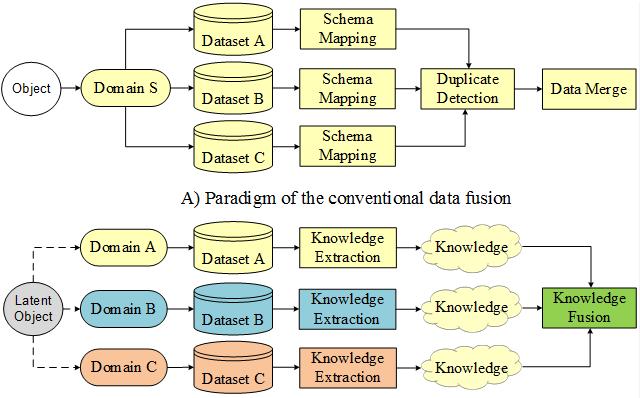
2. Cross-domain data collection.
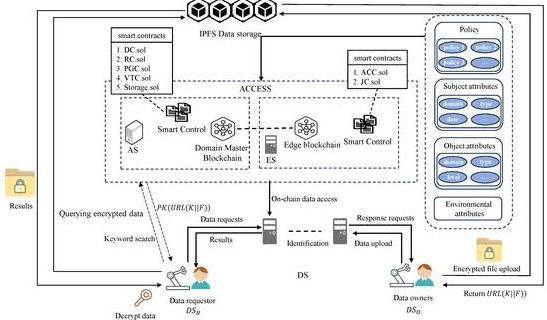
Related Article
Reference Link
https://www.ibm.com/docs/en/iis/11.5.0?topic=domains-cross-domain-analysis
https://www.ncsc.gov.uk/collection/cross-domain/what-is-cross-domain