
Jamstack Studio | Web Scraping Tool | ScrapeStorm
Abstract:Jamstack Studio is a visual content editing and management platform designed for Jamstack architecture, helping developers and content editors build and operate websites efficiently even within separated workflows. ScrapeStormFree Download
ScrapeStorm is a powerful, no-programming, easy-to-use artificial intelligence web scraping tool.
Introduction
Jamstack Studio is a visual content editing and management platform designed for Jamstack architecture, helping developers and content editors build and operate websites efficiently even within separated workflows. By integrating with Jamstack-based static site generation frameworks, Git-based CMSs, headless CMSs, and static site generators, it enables flexible content management and frontend development. Unlike traditional CMS platforms, Jamstack Studio is built around an API-driven architecture: content editors can update pages and components through a visual editor, while developers can freely build websites using modern frameworks such as React, Vue, Next.js, and Gatsby. This makes it possible to operate modern websites with high performance, strong security, and strong scalability.

Applicable Scene
Jamstack Studio is mainly used in modern web development projects that prioritize speed, flexibility, and scalability. It is especially effective for corporate websites, documentation sites, blogs and media sites, e-commerce frontends, and marketing websites where both frequent content updates and high-performance delivery are required. For example, it is well suited to cases where a development team manages a website through Git while marketers or editors update content without writing code. By integrating with headless CMSs and API services, it can also support multilingual websites and multi-channel content management. In addition, when combined with CDN-based static delivery, it can maintain fast page loading even under heavy traffic, making it useful for global web services and campaign sites.
Pros: The biggest advantage of Jamstack Studio is that it combines Jamstack architecture with visual editing, improving both development efficiency and content operation efficiency at the same time. By leveraging static site generation, it can deliver fast page loads, SEO benefits, and strong security, while reducing server load and security risks compared with traditional CMS platforms. It also integrates well with modern frontend technologies such as React, Next.js, and Gatsby, allowing developers to design flexible UI/UX experiences. In addition, by combining Git-based version control with CI/CD workflows, teams can automate the process from content updates to production deployment, greatly improving operational efficiency.
Cons: Because Jamstack Studio is designed for modern web development, adopting it requires knowledge of Jamstack, headless CMSs, and static site generation. For teams that are more familiar with traditional CMS platforms, there may be a learning curve around Git workflows and API-based architecture. In addition, web applications with many dynamic features may require separate API servers or backend services, which can make the overall system more complex. Furthermore, real-time content updates may still require build and deployment steps, and for large websites, optimizing build time can become a challenge.
Legend
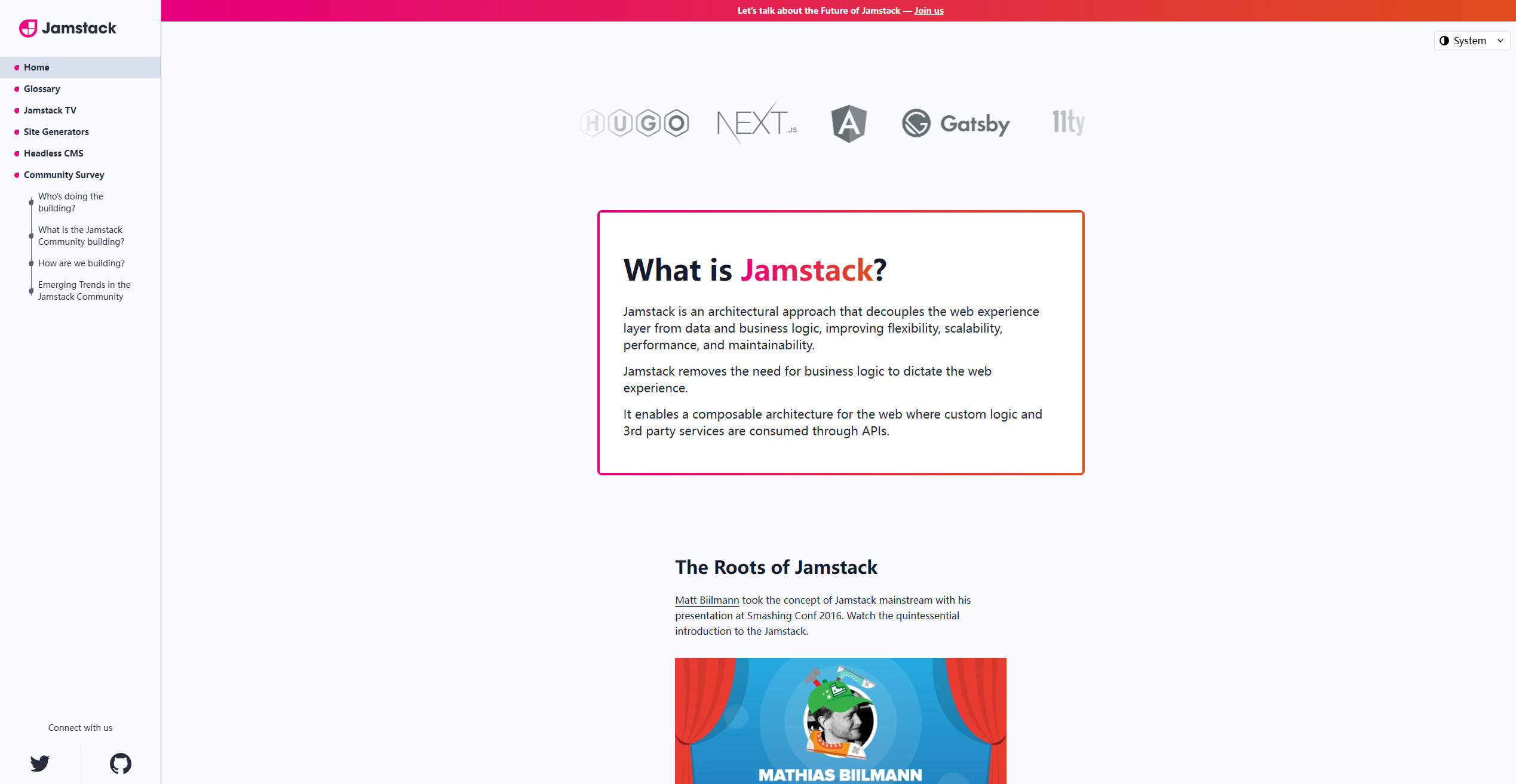
1. Jamstack Studio homepage.
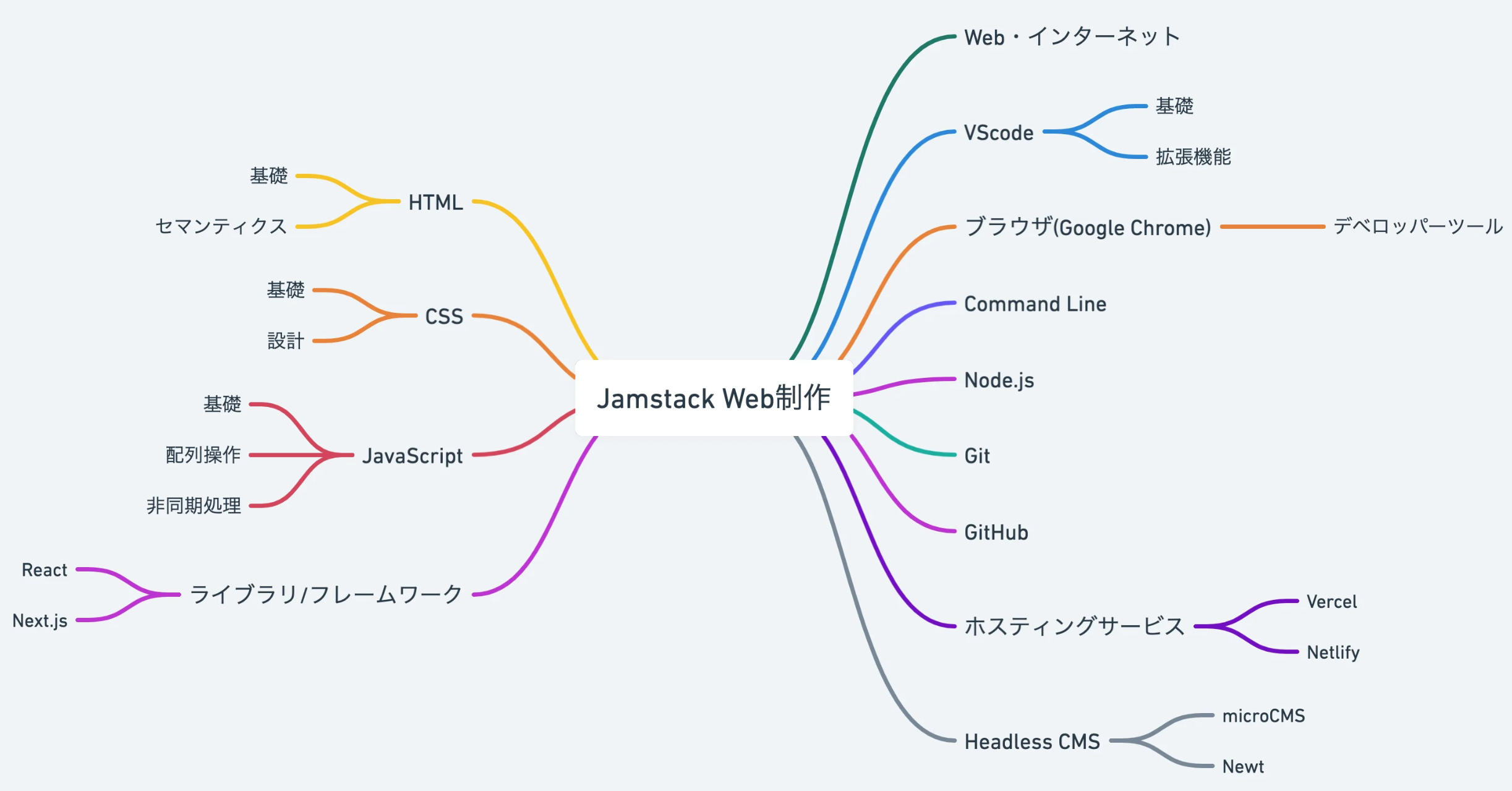
2. Jamstack-based website production.
Related Article
Reference Link
https://zenn.dev/fumi_sagawa/articles/3a61b103ca5473