Decap CMS | Web Scraping Tool | ScrapeStorm
Abstract:Decap CMS (formerly Netlify CMS) is a Git-based content management system. ScrapeStormFree Download
ScrapeStorm is a powerful, no-programming, easy-to-use artificial intelligence web scraping tool.
Introduction
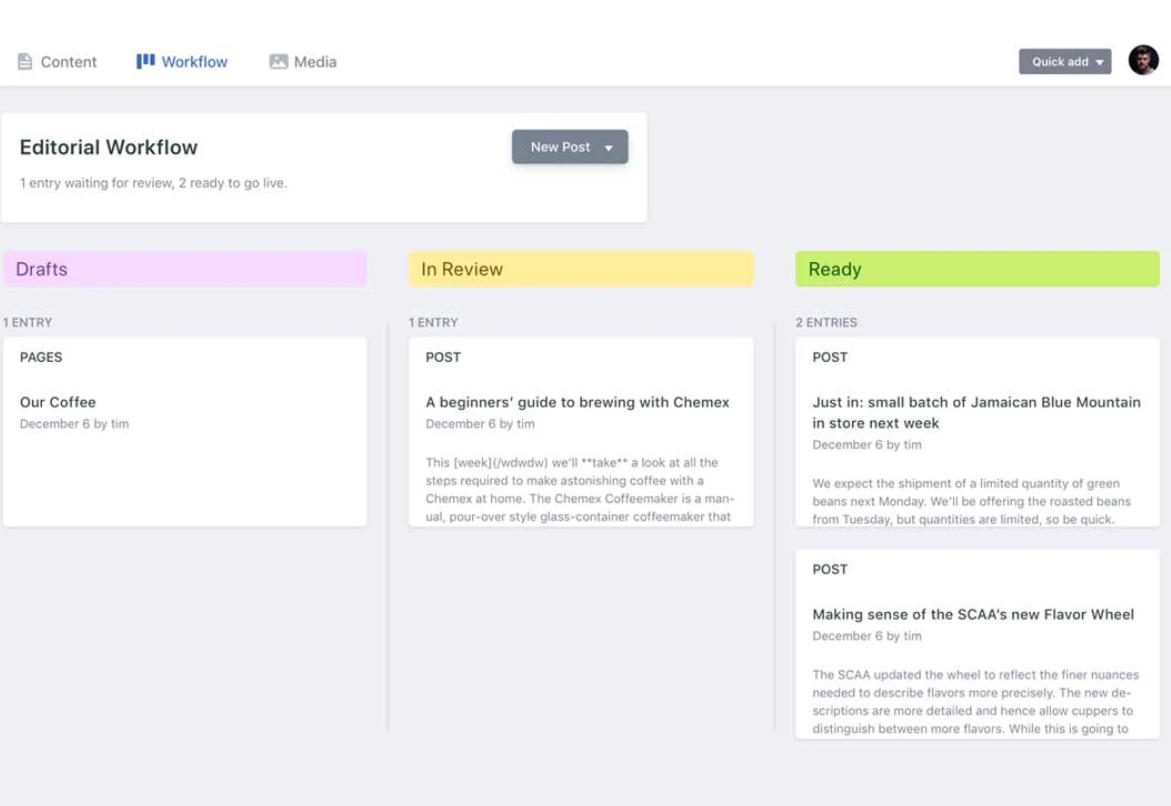
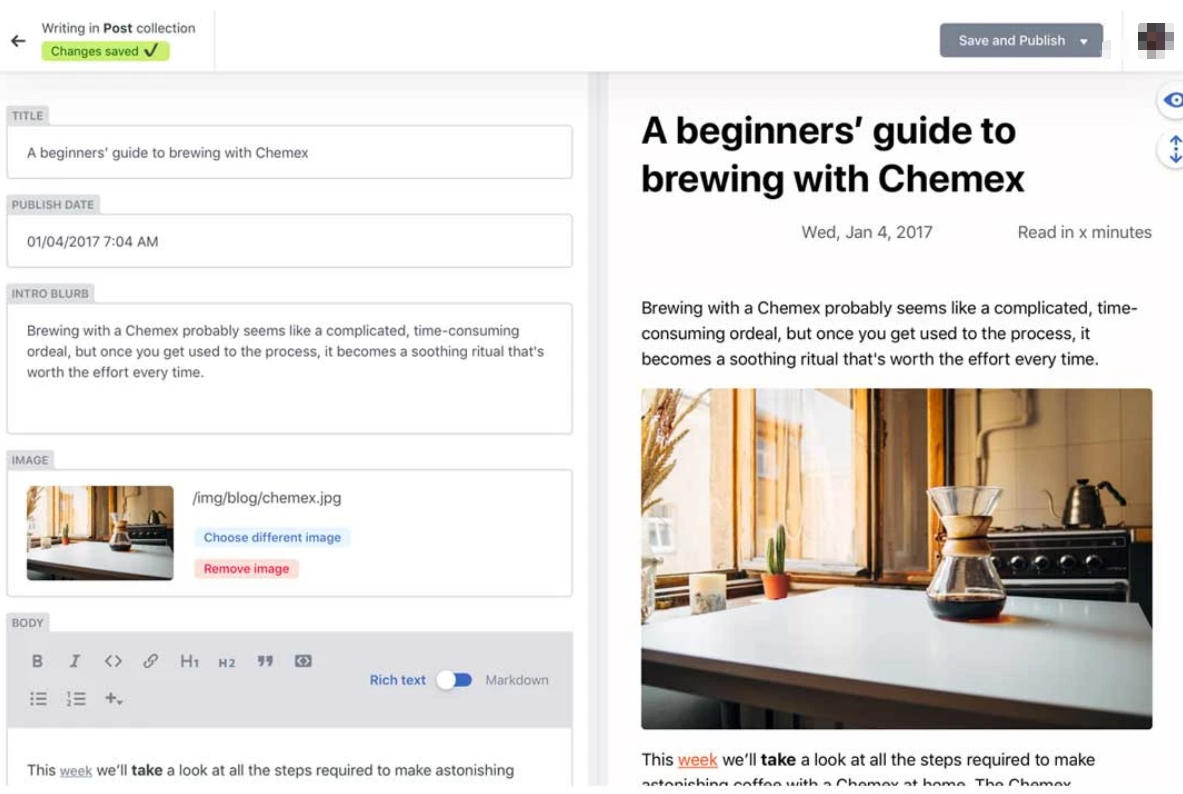
Decap CMS (formerly Netlify CMS) is a Git-based content management system. It provides an admin interface for managing website content, allowing articles, pages, product information, and more to be edited through files such as Markdown, JSON, and YAML. Because content is managed in a Git repository, change history is easy to track, making it well-suited for use alongside static site generators. In the admin interface, input fields such as title, publication date, category, and images can be preconfigured, enabling users who are not familiar with Markdown or Git to create and edit content from the browser. It can be used when adding content management capabilities to an existing website or when developers and editors collaborate on managing web content.

Applicable Scene
Decap CMS can be widely used on websites that manage content using a Git repository. For example, in blogs, article titles, body text, publication dates, categories, and featured images can be entered through the admin interface, streamlining article creation and updates. For corporate sites, it is suitable for managing information such as service descriptions, case studies, news, and staff introductions in a consistent format. In documentation sites and product catalogs, setting up content input fields allows the information structure of each page to be standardized. Because it leverages a Git-based workflow, multiple team members can work on editing while managing the change history of content. In particular, by combining it with static site generators such as Astro, Hugo, and Jekyll, it is possible to build websites that achieve both the convenience of content management and the delivery performance of static sites.
Pros: The main advantage of Decap CMS is that it combines Git-based content management with an editing interface that can be operated from the browser. There is no need to edit Markdown files directly; articles and pages can be created and updated through configured input forms, making it easier for non-technical users to participate in content management. Additionally, because content is stored in a Git repository, reviewing change history and managing versions is easy. Input fields and structures can be configured according to the type of content, and it also supports image uploads and draft management. Furthermore, because it is provided as open source, it can be adopted while keeping licensing costs low, and it is easy to integrate into existing static site generation environments.
Cons: Because Decap CMS is Git-based, a certain level of technical knowledge is required during adoption, such as setting up repository integration and authentication methods. Content management using Git is convenient for tracking change history, but when updating large volumes of content frequently or when complex approval workflows are required, operational design requires careful consideration. Additionally, compared with typical database-driven CMSs, finer-grained user permission control and advanced content management features may require additional configuration or integration with external services. Furthermore, depending on the publishing environment and authentication method, integration settings with Git hosting services and authentication providers are necessary. For managing real-time updated data or large-scale dynamic web applications, it is important to also consider other CMSs or data management approaches according to the site’s structure and update requirements.
Legend
1. Article editing screen.
2. Workflow screen.