
Data Interface Standard | Web Scraping Tool | ScrapeStorm
Abstract:Data Interface Standard refers to a unified specification that defines how data is collected, transmitted, exchanged, accessed, and shared, including data formats, field definitions, encoding rules, communication protocols, interface methods, response structures, and error handling. Its core purpose is to ensure consistent, stable, and scalable interoperability among different systems, platforms, devices, and applications, thereby improving data sharing efficiency and system integration capability. ScrapeStormFree Download
ScrapeStorm is a powerful, no-programming, easy-to-use artificial intelligence web scraping tool.
Introduction
Data Interface Standard refers to a unified specification that defines how data is collected, transmitted, exchanged, accessed, and shared, including data formats, field definitions, encoding rules, communication protocols, interface methods, response structures, and error handling. Its core purpose is to ensure consistent, stable, and scalable interoperability among different systems, platforms, devices, and applications, thereby improving data sharing efficiency and system integration capability.
Applicable Scene
It is applicable to meteorological monitoring platforms, IoT device integration, environmental monitoring systems, government data exchange platforms, enterprise information system integration, scientific data sharing, and cross-departmental business collaboration. For example, in a multi-source observation data platform, a unified data interface standard enables data from different sensors, stations, and third-party systems to be uploaded, parsed, stored, and accessed in a consistent structure, reducing integration costs and improving operational efficiency.
Pros: A data interface standard helps unify data structures and interaction rules, reducing development and maintenance costs caused by inconsistent formats, ambiguous fields, or protocol differences. It improves system compatibility, interface reusability, and data exchange efficiency, while also strengthening data quality control and providing a solid foundation for data governance, analytics, and future platform expansion.
Cons: Designing and implementing a unified data interface standard often requires significant upfront planning and may be constrained by legacy systems, device differences, and existing business processes, making adoption challenging. If the standard is overly complex or not updated in time, it may reduce development efficiency, increase adaptation costs, and limit flexibility in handling new requirements.
Legend
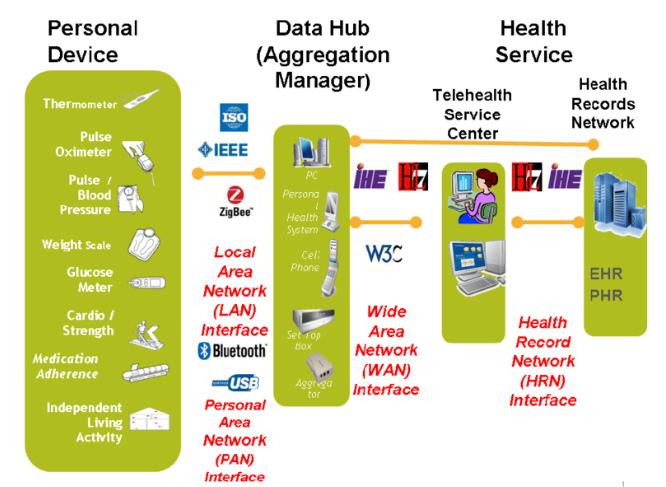
1. Interface standards
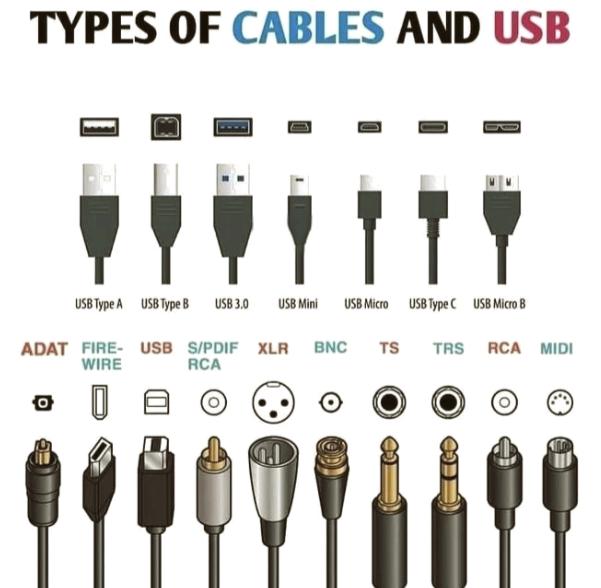
2. Types of cables and USB.
Related Article
Reference Link
https://en.wikipedia.org/wiki/Interface_standard
https://www.sciencedirect.com/topics/computer-science/interface-standard