
Third-party Data Integration | Web Scraping Tool | ScrapeStorm
Abstract:Third-party Data Integration refers to the process by which enterprises obtain data from external data sources or services and utilize it within their own systems and applications. ScrapeStormFree Download
ScrapeStorm is a powerful, no-programming, easy-to-use artificial intelligence web scraping tool.
Introduction
Third-party Data Integration refers to the process by which enterprises obtain data from external data sources or services and utilize it within their own systems and applications. This integration enables information sharing between previously siloed systems, enhancing service scalability and efficiency. Data integration is implemented using technologies such as APIs, database connections, and file transfers, accommodating diverse data formats and requirements. In particular, by integrating with cloud services, SaaS (Software as a Service), IoT devices, and external ERP and CRM systems, it helps build comprehensive business workflows. Moreover, in modern digital transformation, data integration serves as a foundational element that drives business intelligence and automation.
Applicable Scene
Third-party Data Integration is widely used by enterprises and organizations that need to collect, integrate, and leverage information from diverse data sources. For example, integrating customer data from e-commerce sites into ERP systems requires seamless data connectivity. Similarly, reflecting operational data from IoT devices onto cloud platforms enables real-time decision-making. Additionally, it is applied when leveraging SaaS services and external APIs to extend application functionality or improve service quality. Such integration enables efficient aggregation, analysis, and utilization of information, thereby enhancing the quality and competitiveness of digital services.
Pros: The greatest advantage of third-party data integration is the ability to holistically leverage diverse data sources, making information sharing and analysis significantly easier. This streamlines business processes and accelerates decision-making. Data integration also enables centralized management of data across multiple systems, improving operational transparency. Furthermore, through integration with external services, companies can extend their own service capabilities and unlock new business models. In today’s enterprise landscape, data integration is recognized as an indispensable element for digitalization and operational optimization.
Cons: Third-party data integration comes with technical and operational overhead. Addressing differences in communication protocols and data formats across systems requires advanced technical expertise and careful design. Adequate measures must also be taken regarding data security and privacy—without proper governance frameworks, risks such as data leaks or unauthorized access may arise. Additionally, errors or incomplete data processing during integration can impact business reliability and accuracy, making continuous monitoring and maintenance essential. Organizations must address these challenges effectively to implement data integration successfully.
Legend
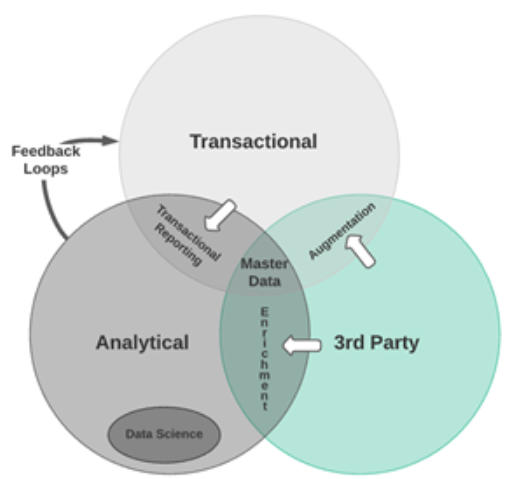
1. Third-party data sources.
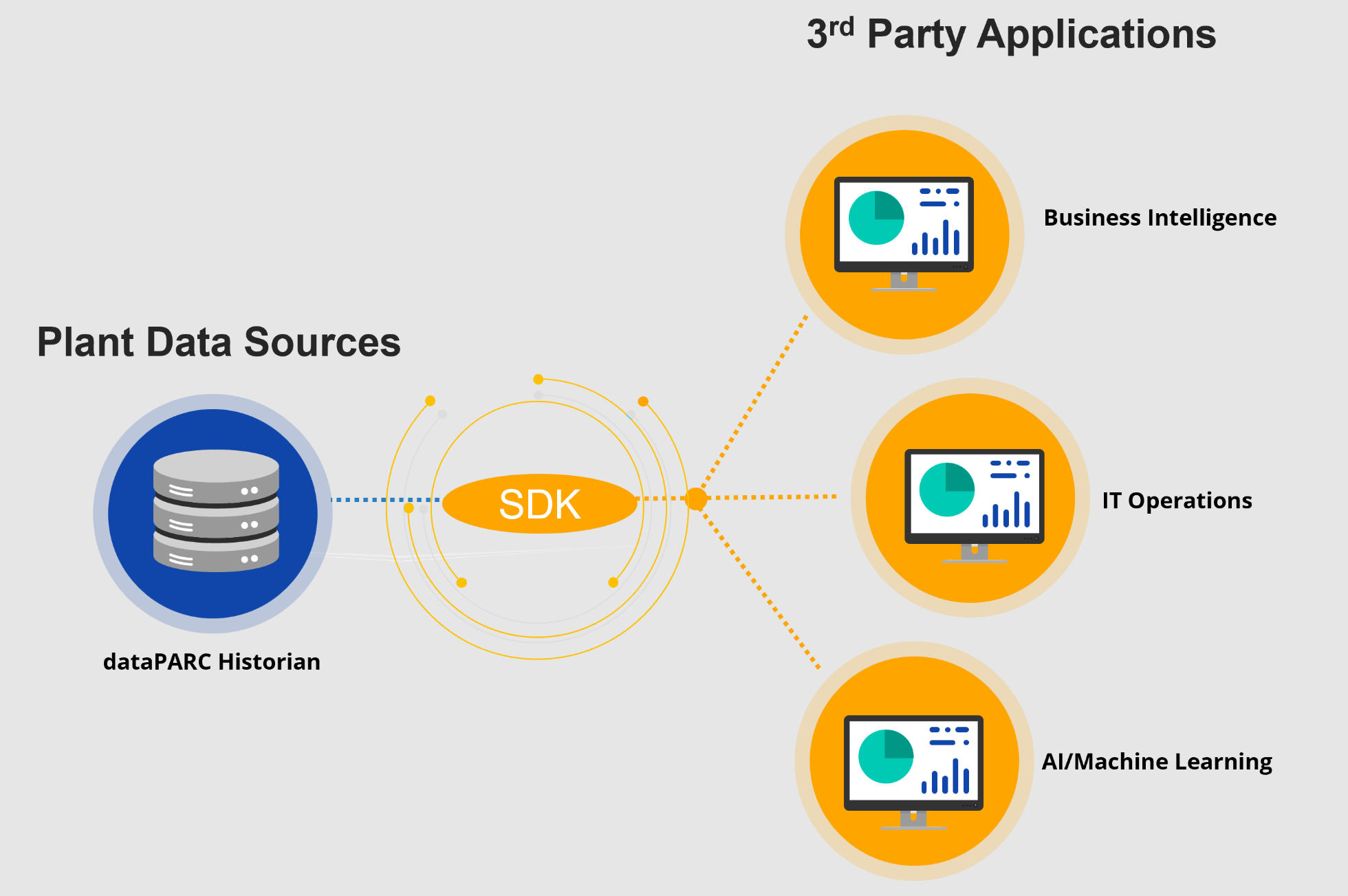
2. Third-party applications interacting with and accessing historical databases.
Related Article
Reference Link
https://www.informatica.com/blogs/third-party-data-an-overlooked-enterprise-data-strategy.html
https://www.dataparc.com/blog/what-to-look-for-in-data-historian-for-third-party-integration/